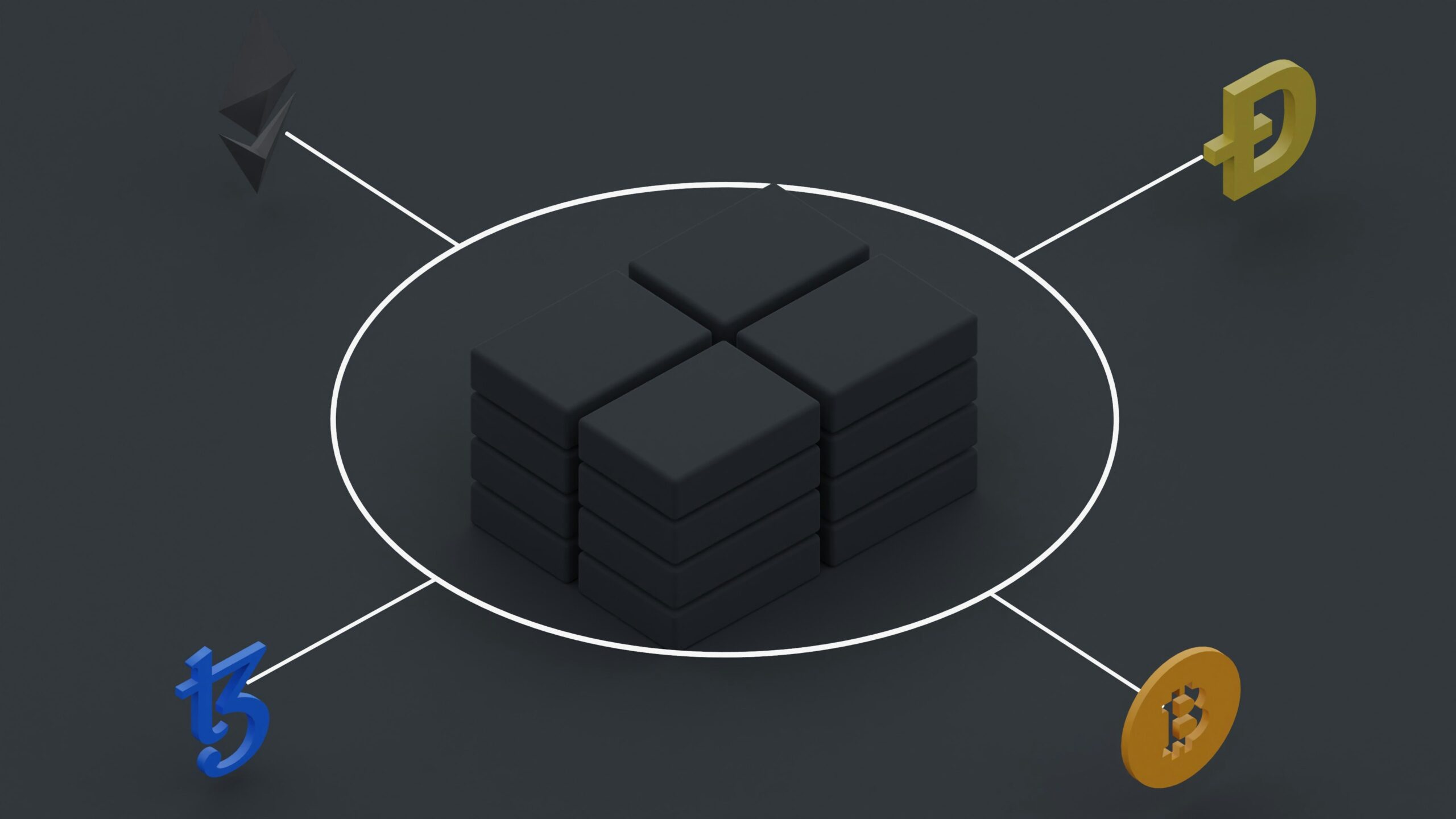


The Invisible Wall: Security, Performance, and Cloud Infrastructure Simplification
Introduction: The Frustration of the Invisible Wall
It’s an increasingly common sight, and perhaps one of the most frustrating experiences in the digital economy: the 'Sorry, you have been blocked' message. Maybe it’s a generic firewall notification, or perhaps the notorious Cloudflare roadblock, complete with a Ray ID and a request to enable cookies. For the end-user, it’s an abrupt stop—a failed transaction, a missed piece of content, or an abandoned research query.
But for business owners, especially those running high-stakes operations like eCommerce stores or digital agencies managing multiple clients, this blocked screen represents something far more severe: lost revenue, damaged customer trust, and a stark reminder of the fragile balance between rigorous cybersecurity for SMEs and seamless user experience (UX).
As technologists, we’ve gotten incredibly good at building walls. Web Application Firewalls (WAFs) and sophisticated DDoS mitigation systems are essential defenses against relentless online attacks. Yet, these necessary security measures often create an invisible wall, one that accidentally blocks legitimate customers. The complexity of modern cloud infrastructure—managing containers, persistent storage, scaling, and the intricate dance of security policies—exacerbates this issue, leading to frequent configuration errors that harm your bottom line.
In this article, we'll dive deep into why these blocks happen, how performance suffers when security is clumsily integrated, and, critically, how adopting a simplified, yet robust, infrastructure philosophy—a true 'Stacks As A Service' approach—can resolve this critical tension between protection and accessibility.
Section 1: The Anatomy of a Block – When Good Security Goes Bad
A successful cyber defense strategy requires vigilance, but vigilance must not translate into indiscriminate hostility toward users. When a security service like Cloudflare (or any enterprise-grade WAF) throws up a blocking screen, it’s usually because the user’s action has violated a predefined rule intended to thwart common attack vectors.
False Positives: The Business Killer
The core problem isn't the malicious traffic; it's the false positive—the legitimate customer mistakenly identified as a threat. False positives occur for several key reasons, most of which trace back to infrastructure configuration:
- Aggressive Geo-Blocking: Many businesses block entire regions based on threat intelligence, inadvertently cutting off legitimate remote customers or travelers.
- WAF Rule Overkill: Default WAF rule sets are often too broad. Submitting a perfectly valid but complex form field, or using common technical phrases (like 'SELECT' or 'DROP TABLE' in a context like a technical forum), can trigger filters designed to catch SQL Injection attacks.
- Bot Identification Errors: Security platforms use heuristics to differentiate human traffic from malicious bots. If a user utilizes a VPN, an older browser, or rapid-fire navigation (common in price comparison shopping), they might be flagged as a scraper or attacker.
- IP Reputation Issues: Shared IPs (common on cheaper VPNs or large consumer ISPs) can sometimes carry the taint of previous malicious activity, blocking innocent users trying to access your site.
For an eCommerce manager, every blocked user is a transaction that never materialized. Studies estimate that even brief periods of friction or downtime can lead to 7% permanent loss in sales. The cost of complex, poorly managed infrastructure isn't just operational—it’s existential for many small and medium business owners relying on digital channels.
Section 2: The Performance Penalty of Security Bloat
Beyond being blocked, the very act of layering on disparate security solutions often drags down performance. Every external security checkpoint, every extra DNS lookup, and every piece of analysis adds latency.
Performance vs. Protection: The Speed Dilemma
Modern web performance is measured by Google’s Core Web Vitals (CWV). These metrics—LCP (Largest Contentful Paint), FID (First Input Delay), and CLS (Cumulative Layout Shift)—directly assess the user experience. Sloppy security integration impacts these metrics severely:
- Increased LCP: If your site relies on external security services to validate and serve core assets, that validation time adds directly to LCP. If the underlying server infrastructure is slow to begin with, the security layer merely highlights the deficiency.
- Higher Latency and TTI (Time to Interactive): Heavy-handed security scripts or poorly cached content, often resulting from poorly configured cloud scaling, means users wait longer for the site to become fully responsive.
This is where the choice of foundational infrastructure becomes paramount. It is no longer enough to bolt a security shield onto a shaky server. True site speed and resilience require performance optimization to be baked into the stack itself. A platform focused on delivering optimized performance from the operating system up provides the crucial headroom necessary to run robust security checks without penalizing legitimate users.
If you aim for reliable website speed, the underlying architecture must support efficient resource allocation and immediate scaling, ensuring that traffic spikes (whether legitimate or malicious) don't cripple resource availability.
Section 3: The Cloud Complexity Trap for Scaling Businesses
The standard trajectory for growing businesses involves moving from shared hosting to Virtual Private Servers (VPS), and eventually into public cloud hyperscalers (AWS, Azure, GCP). While hyperscalers offer immense power, they introduce profound management complexity, particularly concerning application deployment and infrastructure scaling—the exact areas where performance and security friction originate.
The Kubernetes Conundrum and Persistent Storage Headaches
Many digital agencies and scale-up businesses gravitate toward containerization (like Docker and Kubernetes) to achieve true eCommerce scalability. Containers are powerful, but managing the underlying cluster—provisioning nodes, orchestrating deployments, and handling network policy—is a full-time, highly specialized job.
Furthermore, persistent storage remains one of the greatest technical hurdles. Transactional sites (eCommerce, SaaS applications) cannot tolerate ephemeral data. Ensuring that application containers can reliably connect to secure, fast, and persistent volumes that adhere to standards like CNCF (Cloud Native Computing Foundation) is non-trivial. Mismanagement here can lead to data integrity issues or severe downtime, which are far worse than temporary blocks.
The complexity translates directly into operational risk:
- Configuration Drift: As environments scale and change, security policies become inconsistent across nodes.
- High Operational Overhead: Specialized staff are needed just to keep the lights on, detracting from product development.
- Unpredictable Costs: The 'pay-as-you-go' model, combined with complex scaling rules, often leads to unexpected expense spikes.
This is the cloud complexity trap: the promise of infinite scale meets the reality of finite expertise and budget, forcing businesses to choose between robust scaling and simplified operation.
Section 4: Infrastructure Simplified – Reimagining Stacks As A Service with STAAS.IO
The solution to the security-performance friction and the complexity trap isn't to dumb down the technology, but to simplify the management layer. We need enterprise-grade power delivered with consumer-grade ease. This is the guiding principle behind the movement toward true Stacks As A Service (StaaS).
Enter STAAS.IO. Our mandate is clear: to shatter application development complexity and provide an environment where businesses can focus entirely on their application, not on wrangling infrastructure. We recognized that SMBs and agencies need the foundational power of modern cloud technologies—like containerization and horizontal scaling—without the steep learning curve and operational burden of managing Kubernetes clusters from scratch.
Focus 1: Managed Infrastructure for Uncompromised Security
By offering comprehensive managed cloud hosting, STAAS.IO inherently reduces the risk of configuration-related security blocks and performance degradation. When the stack is standardized and managed, common configuration errors—like misconfigured firewall rules or exposure of development environments—are mitigated at the platform level.
The platform provides a quick, cheap, and easy environment to build and deploy, seamlessly scaling to production with Kubernetes-like simplicity. This means that as your application encounters a legitimate traffic surge (or a potential attack), the infrastructure reacts predictably and swiftly, ensuring legitimate users pass through while mitigating risks, maintaining optimal website speed.
Focus 2: True Scalability and Freedom from Lock-In
A critical differentiator for modern cloud infrastructure is flexibility. Vendor lock-in often means adhering to proprietary standards that complicate future migrations or custom security integrations. STAAS.IO is built on a foundation that respects industry standards.
We adhere to CNCF containerization standards, offering developers and agencies ultimate flexibility. Furthermore, unlike many cloud services where storage is an afterthought or an expensive add-on, we offer full native persistent storage and volumes. This is vital for secure, transactional systems like eCommerce platforms, ensuring data integrity and rapid recovery, which is a non-negotiable aspect of robust cybersecurity for SMEs.
Our simple pricing model reinforces this focus on simplicity and predictability. Whether you scale horizontally (across machines for high availability and load) or vertically (for increased resources per machine), the costs remain transparent. This predictability is a huge relief for eCommerce managers who must project infrastructure expenditure against fluctuating seasonal demands.
Focus 3: Operational Simplicity and CI/CD Integration
The ability to deploy quickly reduces vulnerability windows and facilitates continuous security testing. STAAS.IO supports seamless CI/CD pipelines or even simple one-click deployment. This operational simplicity allows development teams to iterate faster, deploy security patches instantly, and monitor performance continuously, all without diving into complex cluster YAML files.
When the underlying foundation (the stack) is reliable, secure, and easily scalable, the external security measures you implement (like advanced WAFs or custom filtering) operate on a healthier, more predictable environment, drastically reducing the chance of false positives that block your customers.
Section 5: Strategic Takeaways for Business Owners and Agencies
Navigating the choppy waters of modern infrastructure requires strategic foresight. If you are a digital agency professional or a business owner focused on growth, here are the key strategies to overcome the invisible wall of security friction:
1. Prioritize Integrated Security Over Layered Bloat
Stop viewing security as an expensive layer you bolt on last. Choose an infrastructure platform where security standards and performance optimization are inseparable features of the core offering. This means selecting a provider that manages the underlying operating system and networking stack with the highest standards, rather than relying solely on external CDNs or firewalls to paper over foundational weaknesses. Integrated infrastructure inherently simplifies monitoring and incident response.
2. Demand Transparent and Predictable Scaling
Unpredictable costs paralyze growth. When evaluating cloud solutions, look beyond the initial price and examine the total cost of ownership (TCO) once scale is introduced. Platforms like STAAS.IO, which offer straightforward, predictable scaling costs (vertically and horizontally), allow businesses to confidently forecast their growth trajectory and budget for the necessary resources without fear of billing shock. Predictable scaling is fundamental to maintaining peak website speed during high-traffic events.
3. Focus on Developer Experience and Operational Ease
The easiest-to-manage infrastructure is often the most secure. Complex systems inevitably lead to human error, which is the leading cause of security breaches and performance failures. By leveraging managed platforms that simplify deployment, container orchestration, and persistent storage management—giving you Kubernetes-grade power without the complexity—you empower your team to focus on value creation, not operational babysitting. This is crucial for maintaining excellent Core Web Vitals under load.
4. Vet Storage and Data Integrity Capabilities
For any application involving user data or transactions, reliable and secure persistent storage is non-negotiable. Always confirm that your cloud provider offers robust, native persistent storage solutions that adhere to open standards. This ensures that even when you scale your containers up or down, your critical data remains fast, secure, and available, protecting your business against catastrophic data loss and ensuring compliance.
Conclusion: Infrastructure Choice as a Competitive Edge
The 'Sorry, you have been blocked' message is more than a technical error; it's a symptom of infrastructure complexity gone unchecked. For eCommerce managers and ambitious SMBs, the path to sustained growth and security resilience lies in simplifying the underlying digital stack.
We are entering an era where success is defined not just by how fast you can innovate, but how reliably and securely you can deploy that innovation at scale. By selecting a platform that inherently manages the complexities of containerization, provides persistent storage out-of-the-box, and adheres to open standards, businesses can finally build a powerful, secure foundation that supports both aggressive security measures and flawless user experience.
The invisible wall doesn't have to be a barrier. With the right Stacks As A Service philosophy, that wall becomes a smart, optimized security layer that protects your business while welcoming your customers.
— Call to Action (CTA) —
Is your current cloud infrastructure creating unnecessary friction for your users and complexity for your team?
If you are struggling to balance eCommerce scalability with robust cybersecurity for SMEs, it's time to rethink your foundation. STAAS.IO provides the quick, easy, and cheap environment to build your production-grade application, leveraging Kubernetes-like simplicity and full native persistent storage. Stop managing complex infrastructure and start innovating.
Explore how true managed cloud hosting can simplify your stack, improve your Core Web Vitals, and ensure predictable costs, giving you the competitive edge in performance and security.